

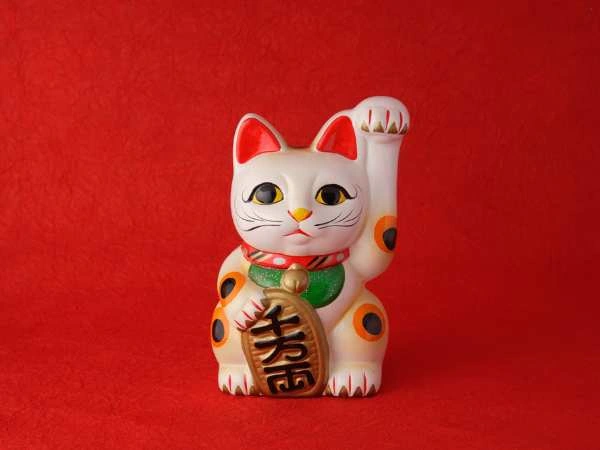
The maneki neko lucky cat sits quietly in shops, homes, and offices, yet people believe it brings good luck. You’ve likely seen it by a cash counter, one paw raised, sometimes holding a coin. It looks friendly. Simple. Almost playful. Still, many people treat it with deep respect. They place it carefully. They choose colors thoughtfully. They even pick which paw should be raised.
So what’s going on here. Why does this small cat matter to so many people across cultures. And what does each detail actually mean.
This guide explains the maneki neko cat in clear terms. Where it came from. What each color stands for. Why the paws matter. How people use it today. Nothing mystical pushed too hard. Just meaning, tradition, and practical understanding.
What Is a Maneki Neko Lucky Cat
Maneki neko is a traditional figurine believed to invite good fortune. The name breaks down simply. “Maneki” means to invite. “Neko” means cat. So the phrase means “inviting cat.”
The figurine usually shows a cat sitting upright with one paw raised. Some versions raise both paws. Others hold objects like coins or plaques. The raised paw looks like a waving gesture, calling luck closer.
Core features include:
- A seated cat figure
- One or both paws raised
- Calm facial expression
- Decorative elements
Its meaning comes from symbolism, not superstition alone.
also read : – Google Maps Alternative: Know the Best Alternatives to Google Maps Here
Origins of the Maneki Neko Cat
The maneki neko cat traces back to Japan, where folklore and daily life often blend gently. Stories differ, but most place its origin a few hundred years ago. One common tale involves a poor temple and a cat that seemed to beckon a passing traveler. The traveler followed the cat’s gesture and avoided danger, later helping the temple prosper.
These stories matter because they shape belief. The cat did not force luck. It invited attention. That idea still defines how people see the figurine today.
Early beliefs focused on:
- Protection
- Gratitude
- Shared fortune
That foundation remains intact.
Why the Lucky Cat Raises Its Paw
The raised paw causes the most curiosity. People often think it’s waving hello. In reality, the gesture resembles a traditional beckoning motion, drawing things closer.
Different paws carry different meanings:
- Left paw raised: invites people, customers, or social luck
- Right paw raised: invites wealth or financial success
- Both paws raised: protection and combined fortune
Choosing the paw depends on intent.
How High the Paw Is Raised Matters
Not all raised paws sit at the same height. That detail changes meaning too. A paw raised higher suggests long-distance influence. A lower paw suggests nearby, steady fortune.
Interpretations often include:
- High paw: long-term opportunities
- Medium paw: consistent growth
- Low paw: close, immediate benefit
People choose based on personal goals.
also read : – How To Clean Old Coins?
Colors of the Maneki Neko and Their Meanings
Color adds another layer of symbolism. The classic version is white, but many colors exist today. Each one connects to a different type of good fortune.
Common colors include:
- White: purity, general luck
- Gold: wealth and prosperity
- Black: protection from negative energy
- Red: health and safety
- Pink: relationships and affection
- Green: learning and growth
Color choice often matters more than decoration.
Why Gold Maneki Neko Is Popular in Businesses
Gold versions appear often in shops and offices. That’s not random. Gold symbolizes abundance and financial flow. Business owners place it near entrances or cash registers to invite steady income.
Reasons for its popularity include:
- Visual association with wealth
- Cultural acceptance
- Positive customer perception
It acts as a quiet symbol of hope and confidence.
also read : – What Is Henri Rousseau Known For?
The Coin and Objects the Cat Holds
Many lucky cat maneki neko figures hold objects. The most common is a coin, often marked with symbols representing wealth or long life. Some hold plaques with written wishes.
These objects add intention.
Common items include:
- Coin: financial stability
- Plaque: written blessing
- Bell: awareness and protection
Each object reinforces the purpose of the figurine.
Where to Place a Maneki Neko for Best Effect
Placement plays a big role in how people use the lucky cat. While belief varies, most traditions suggest placing it where energy flows.
Popular placement spots include:
- Near shop entrances
- On office desks
- Close to cash counters
- In home entry areas
Facing the entrance symbolically invites luck inward.
Maneki Neko in Homes Versus Shops
Use differs by space. In homes, the figurine often represents harmony and steady well-being. In shops, it focuses on customers and income.
Home placement tends to emphasize:
- Calm atmosphere
- Family well-being
Business placement emphasizes:
- Visibility
- Welcome gesture
Intent shapes use.
Cultural Respect and the Lucky Cat
Many people use the lucky cat decoratively without knowing its meaning. That’s fine. Still, some prefer respectful placement and care, especially when using it as a symbol rather than decoration.
Respectful practices include:
- Keeping it clean
- Avoiding careless placement
- Choosing intention thoughtfully
Respect strengthens connection.
Why the Maneki Neko Cat Spread Beyond Japan
The lucky cat traveled easily across cultures because its message feels universal. Everyone understands the idea of invitation and hope. The symbol does not feel aggressive or demanding.
Reasons for global spread include:
- Simple design
- Friendly appearance
- Flexible meaning
It adapted without losing its core idea.
Modern Designs and Variations
Today, maneki neko figures appear in many styles. Some are traditional ceramic pieces. Others are modern, battery-powered versions with moving paws.
Modern variations include:
- Solar-powered waving cats
- Minimalist designs
- Colorful artistic styles
Function stayed the same. Form evolved.
Is the Maneki Neko Religious
This question comes up often. The lucky cat connects to cultural belief, not formal worship. It does not require rituals. People use it symbolically, not devotionally.
That makes it accessible across belief systems.
Key points:
- Not tied to strict religion
- No rituals required
- Used as cultural symbol
This flexibility helps acceptance.
Psychological Side of Using Lucky Symbols
Belief in lucky symbols often improves mindset. Seeing a positive symbol daily can influence behavior. Confidence rises. Stress drops. Actions become more focused.
Psychological effects include:
- Positive reinforcement
- Reduced anxiety
- Motivated decision-making
The symbol supports action, not replaces it.
Maneki Neko as a Gift
Many people gift lucky cats during openings, new jobs, or life changes. The gift sends a message of goodwill without pressure.
Occasions include:
- Business openings
- New homes
- Career milestones
It’s thoughtful without being intrusive.
Common Myths About the Lucky Cat
Misunderstandings exist.
Common myths include:
- It guarantees wealth
- It works without effort
- It replaces planning
In reality, it symbolizes intent, not outcome.
Choosing the Right Maneki Neko for Yourself
Choosing one should feel personal. Color, paw, size, and placement matter more than price.
Helpful questions to ask:
- What do I want to invite
- Where will I place it
- Which color fits that intent
Thoughtful choice feels more meaningful.
Caring for a Maneki Neko Figurine
Care is simple. Keep it clean. Avoid clutter around it. Place it where it can be seen.
Basic care includes:
- Dusting regularly
- Stable placement
- Avoiding damage
Care reflects respect.
Maneki Neko in Popular Culture
The lucky cat appears in art, design, and even fashion. It often represents optimism and charm rather than superstition.
Its image signals:
- Welcome
- Goodwill
- Playful hope
That’s why it keeps appearing.
FAQs
What is a maneki neko lucky cat
A figurine believed to invite good fortune and positive energy.
What does the raised paw mean
It symbolizes invitation toward luck, wealth, or people.
Which color maneki neko is best
It depends on intent, such as wealth, health, or relationships.
Where should I place a maneki neko
Near entrances, desks, or cash counters works well.
Is maneki neko religious
No, it is cultural and symbolic.
Final Words
The maneki neko lucky cat endures because it speaks softly. It doesn’t promise miracles. It invites attention, intention, and hope. Its raised paw reminds people to stay open. Its calm face suggests patience.
Whether placed in a shop, office, or home, the maneki neko cat represents a simple idea. Good things often come when you stay welcoming, aware, and prepared.